|
No. 005 · 6 min read |
|
|
|
Issue No. 005
There's no honey in this coffee.
Some rituals are sacred.
A little coffee conversation
There's something quite funny about the coffee world.
We spend an awful lot of time describing coffee using things that have absolutely nothing to do with coffee.
Chocolate. Blueberries. Jasmine. And apparently, honey.
Although, as we're about to discover, that last one is a little misleading.
Anyway, grab yourself a coffee. We've got a few interesting things to get into this week.
Six minutes. One coffee at a time.
|
|
|
In this issue
| 01 | The main pour There's no honey in honey-processed coffee. |
| 02 | The adjustment Your coffee filter might be changing more than you think. |
| 03 | Worth drinking Rwanda Ijabo: 20 young producers, 20,000 coffee trees. |
| 04 | Coffee Talk Flat white vs latte, what's actually the difference? |
| | Plus: from The Coffee Library And free print no. 005, at the bottom of the email. |
|
|
|
01 · The main pour
There's no honey in honey-processed coffee.
Washed. Natural. Honey. If you've wandered down the specialty coffee aisle, you'll have spotted these words on the bags.
But honey processing doesn't involve a single drop of honey. Not even a drizzle.
To understand it, we need to remember that coffee is a fruit. The beans we brew are seeds inside cherries, and once harvested, producers need to remove the fruit and dry the seeds.
How they do that helps shape the flavours in your cup.
|
|
Three ways to process coffee
| 01 | Washed. Most of the fruit and sticky mucilage are removed before drying. Often associated with clean, bright flavours. | | 02 | Natural. The entire cherry dries around the seed. The result can be intensely fruity, sometimes even wine-like. | | 03 | Honey. The skin and pulp are removed, but some of the sticky mucilage remains while the beans dry. Its honey-like texture gives the process its name. |
|
|
|
Honey processing can create rounded sweetness, fruitiness and a fuller mouthfeel, though variety, growing conditions and roasting matter too.
So next time you choose a bag, look beyond the tasting notes. The processing method might tell you something about the sort of coffee you'll enjoy.
And that brings us rather neatly to this week's featured coffee. But first, a small change to try at home.
|
|
|
02 · The adjustment
Your coffee filter might be changing more than you think.
If you have an AeroPress, chances are you've been using the little paper filters that came with it. They're brilliant for a clean, light cup.
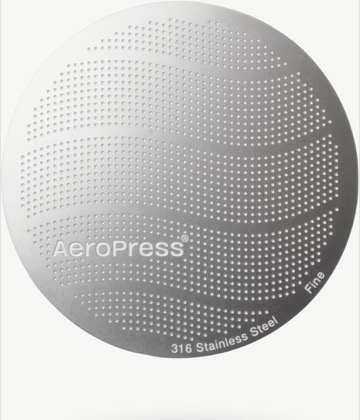
But there's another option: a metal filter.
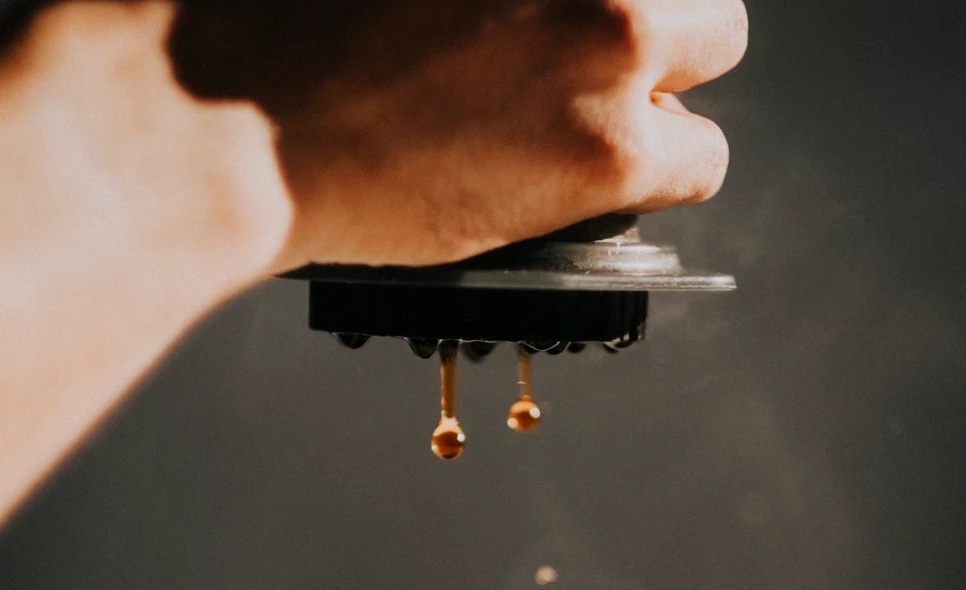
Paper catches more of the coffee's oils and fine particles. Metal lets more through, which can make a brew feel richer and fuller-bodied.
|
Paper or metal? |
| Paper filter | Cleaner, lighter and often more delicate. |
| Metal filter | More oils, more texture and a heavier mouthfeel. |
|
|
Neither is automatically better. It's simply another way to bring out different sides of the same coffee.
North Star recommends metal-filter brewing for this week's Rwanda Ijabo, particularly to highlight its syrupy character.
A little upgrade worth trying.
An AeroPress stainless steel filter is a simple way to experiment without replacing your brewer. Make your usual recipe with paper, then repeat it with metal, keeping the dose, grind and brew time the same.
It's a small change, but you might find that different coffees suit different filters.
|
|
|
|
Sometimes the best improvement is a small adjustment, rather than a whole new setup.
|
|
|
03 · Worth drinking
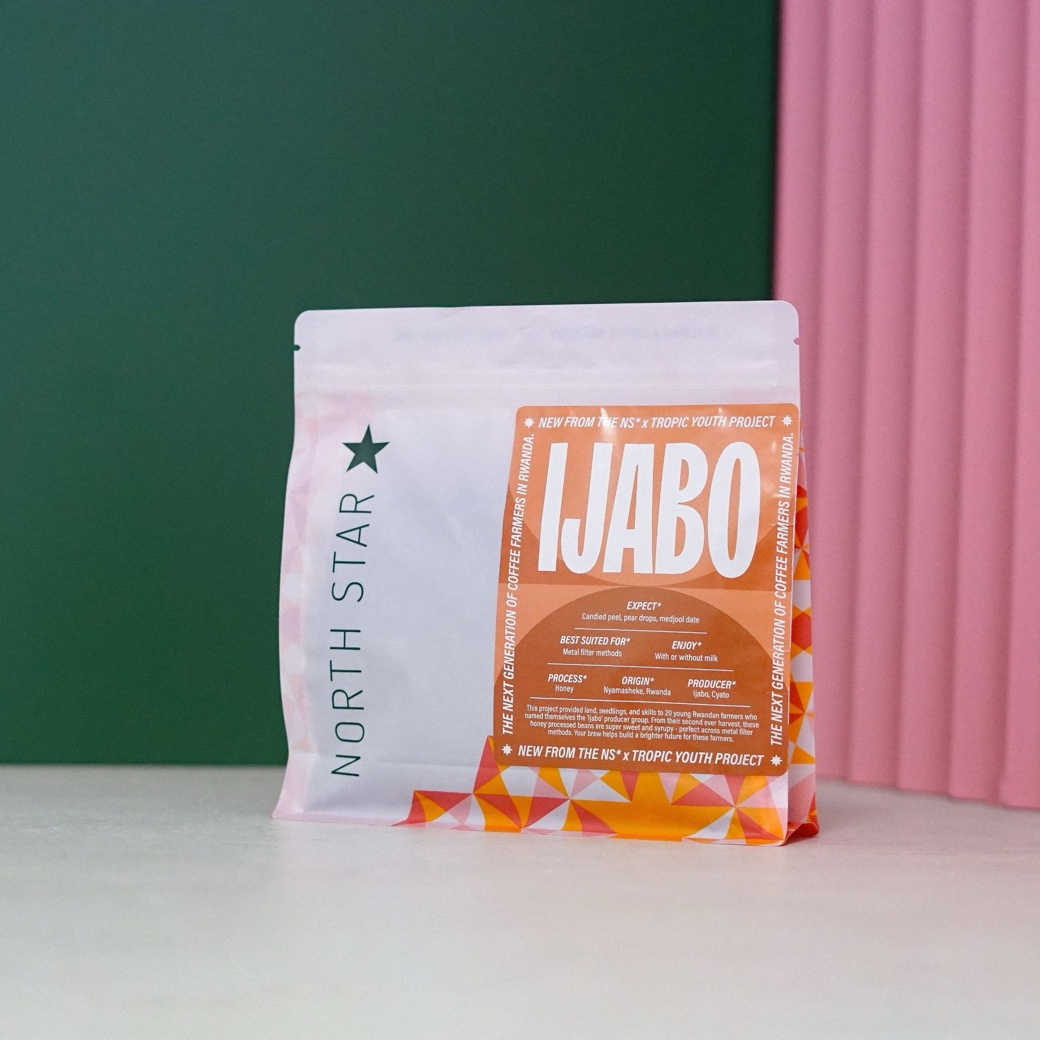
Rwanda: Ijabo Youth Project Honey
North Star Coffee Roasters · Leeds, UK
|
|
|
There's a lot more behind this week's coffee than the tasting notes on its bag.
High in the green hills of Nyamasheke, western Rwanda, a group of young farmers are working to make coffee a career worth staying for. And thanks to a project supported by Leeds-based North Star, they've been given a chance to do just that.
20 people. 20,000 coffee trees.
In 2021, North Star joined forces with Tropic Coffee and Baltzersens to help establish a coffee-growing project at Muremure Farm. They supported the preparation of eight hectares of land, the planting of 20,000 trees and the involvement of 20 young local producers.
It wasn't simply a case of handing over some trees and hoping for the best. The group received harvesting assistance, organic compost, training in how to care for their coffee plants, and guidance on managing their finances.
For many young people in the area, moving away for work can seem like the safer option. The project's ambition was to give them another choice: a way to earn, learn and build a future in their own community.
The producers chose their own name: Ijabo. It means ‘dignity’ in Kinyarwanda. Quite a powerful name for a bag of coffee, isn't it?
What happens after the first harvest?
That's where this gets particularly interesting. North Star committed to purchasing each harvest, giving the farmers a more predictable buyer while they develop their skills. North Star says all 20 original participants are still involved in coffee production, with both yields and quality improving over time.
In its account of visiting Rwanda, North Star describes a group made up predominantly of young women. Access to land can be a major barrier to entering farming, so the opportunity extends beyond learning how to grow great coffee.
On the project page, producer Josiane Irafashi talks about using earnings to purchase livestock and gradually build something for her family. It's a reminder that what we pay for coffee can have a life well beyond the cup.
|
|
|
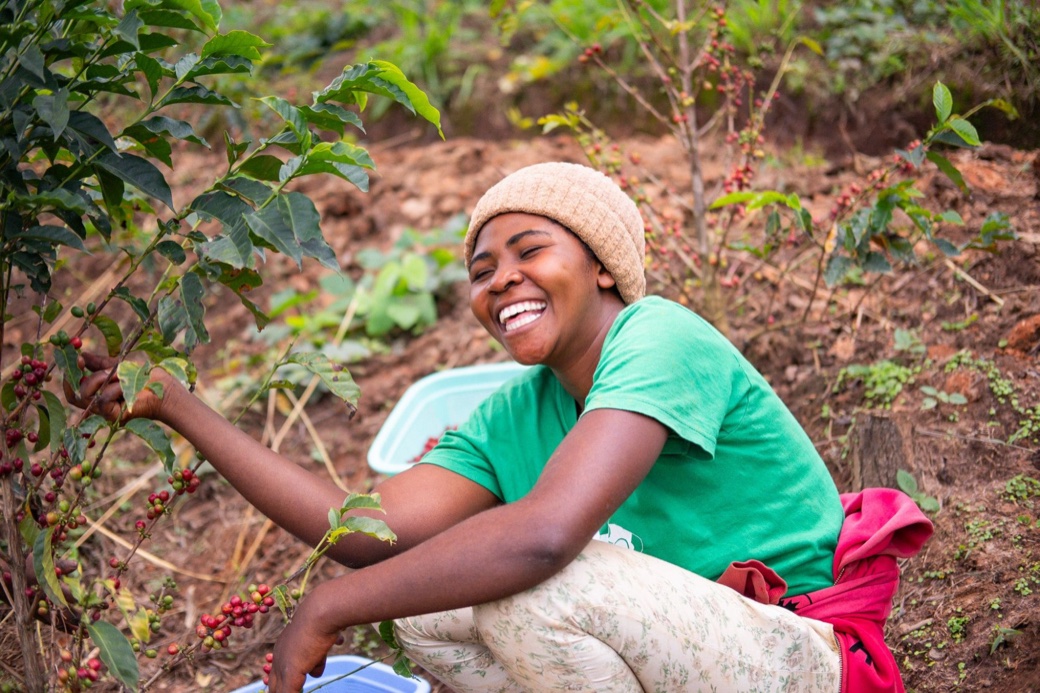
Jacqueline Uwamahoro harvesting coffee cherries. Photo: North Star Coffee Roasters / Ijabo Producer Group. Source.
|
|
And how does it taste?
This week's lot is a honey-processed Red Bourbon, grown at around 2,200 metres above sea level. North Star describes tasting notes of candied peel, pear drops and Medjool date. A combination that sounds more like a sweet shop than a coffee bag.
And after spending some time with this one, we can safely say it's a fantastic coffee.
We tried it as both a flat white and a latte, and what really stood out was its natural sweetness. There was something beautifully earthy about it too, with those rich date notes coming through alongside a lovely, syrupy sweetness.
It was one of those coffees that didn't need much thinking about. Just genuinely enjoyable to drink.
But knowing the story behind it made the experience even better.
It's easy to get caught up in the daily ritual of making coffee without giving much thought to where it comes from. This was a nice reminder that behind every cup are real people, communities and projects like Ijabo.
And knowing that North Star is helping create opportunities for the next generation of coffee producers makes an already brilliant coffee feel that little bit more special.
Great coffee, with an even better story behind it.
|
The coffee Rwanda Ijabo Youth Project Honey |
| Roaster | North Star Coffee Roasters |
| Origin | Rwanda |
| Process | Honey |
| Tastes like | Candied Peel · Pear Drops · Medjool Date |
|
|
|
|
Read about the Ijabo project
|
|
|
04 · Coffee Talk
Flat white vs latte, what's actually the difference?
We've all been there. Standing in a coffee shop, looking at the menu, wondering whether to order a flat white or a latte.
They're both made with espresso and steamed milk. So what's actually the difference?
Well, it mostly comes down to the milk.
The flat white.
Typically served in a smaller cup, a flat white has less milk and a thin layer of silky microfoam. With a higher coffee-to-milk ratio, the espresso flavour tends to come through more strongly.
The latte.
Usually served in a larger cup, a latte contains more steamed milk, giving it a creamier, milder taste. Perfect if you enjoy something a little less intense.
But here's something interesting.
A flat white doesn't necessarily contain more caffeine than a latte.
If both drinks are made with the same double espresso, they'll contain roughly the same amount of caffeine. One simply tastes stronger because there's less milk diluting the coffee.
Of course, every café has its own interpretation, so the exact sizes and recipes can vary.
But next time you're ordering, here's an easy way to think about it.
Want to taste more of the coffee? Go for a flat white.
Fancy something a little milkier? A latte might be your answer.
And if you're anything like us, you'll probably end up ordering both at some point anyway.
|
|
|
From The Coffee Library
Looking for something new to brew?
Our Coffee Library is growing thanks to recommendations from readers like you. It's a place to discover great coffees, explore different roasters and find something you might never have come across otherwise.
Here are two coffees recently added to the collection.
|
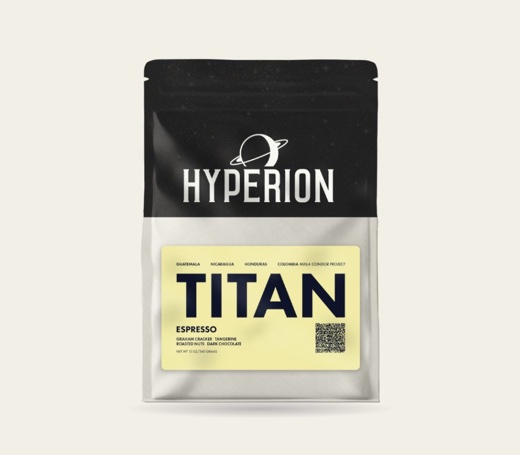 Titan Espresso Blend Hyperion Coffee Co · El Salvador, Honduras, Guatemala Notes of graham cracker, tangerine, roasted nuts and dark chocolate | 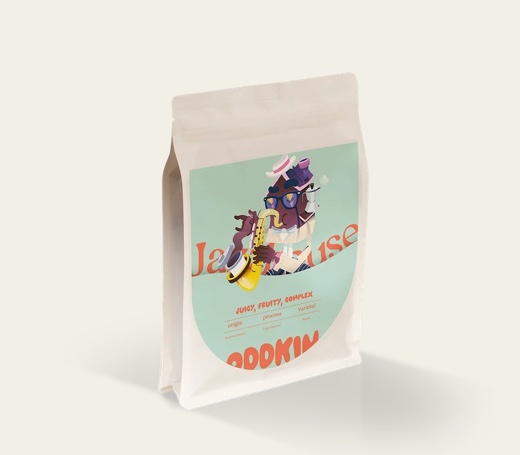 Jazzhouse Blend Odd Kin Coffee Roasters · Brazil, Papua New Guinea Notes of tropical fruit, honey and strawberry |
|
|
|
|
Good coffee deserves to be shared.
|
|
|
Free print no. 005
Something for the wall
|
|
|
|
You made it to the bottom, so this one's on us. Another little piece of The Dial for your coffee corner. Print it, frame it or stick it on the fridge. If it makes it onto your wall, tag @thedialcoffee.
|
|
|
|
Find us on Instagram →
|
|
P.S. There's no honey in honey-processed coffee. But there are plenty of reasons to fall for it anyway.
The Dial
|
| |