|
No. 007 · 6 min read |
|
|
|
Issue No. 007
Good coffee. No qualifications required.
Some rituals are sacred.
Coffee has a funny way of making simple things sound complicated.
Extraction percentages. Processing methods. Flavour profiles that read more like the ingredients of a fancy cocktail.
Sometimes it's easy to forget we're talking about a drink most of us just really enjoy.
This week, we're finding out what makes a coffee a ‘specialty’ coffee. We'll be sharing a few tips on how to choose coffee beans that are more likely to suit your taste, and we'll be meeting two friends from Dundee who believe great coffee should be for everyone.
Anyway, coffee ready? Let's get into it.
|
|
|
In this issue
| 01 | The main pour What actually is a specialty coffee? |
| 02 | The adjustment How to pick a coffee you'll actually enjoy. |
| 03 | Worth drinking KIS Coffee Roasters: two friends, one roastery and no coffee snobbery. |
| 04 | Coffee Talk What's a house coffee, anyway? |
| | Plus: from The Coffee Library A couple of coffees worth discovering, and free print no. 007 at the bottom of the email. |
|
|
|
01 · The main pour
What actually is a specialty coffee?
You've probably seen the words specialty coffee everywhere: on bags, café menus and sometimes beside a price tag that makes you blink twice.
But what is it that separates a specialty coffee from the rest? Is it the beans, the roasting, or just a fancy name for a flat white?
The answer starts long before the coffee reaches your cup.
|
|
The 80-point line
Traditionally, for a coffee to be considered a specialty coffee, the beans have to score at least 80 out of 100 in professional assessments. The score reflects how well the coffee was grown, picked and processed. But the Specialty Coffee Association now takes a broader view, considering a range of attributes and how people value them.
|
|
|
And that makes sense, because coffee is about more than a numerical value.
Beauty is in the eye of the beholder.
One person loves a bright, fruity cup. Another wants something rich and chocolatey. Neither is wrong.
You certainly don't need to identify jasmine or bergamot to appreciate a good coffee.
It's not just about tasting notes.
Specialty coffee often comes with greater attention to quality and more information about where it came from and who produced it.
You don't need an expensive machine, a chemistry degree or a dictionary of tasting notes.
If you enjoy the coffee, you're doing it right. And that's worth remembering next time you're choosing a bag.
|
|
|
02 · The adjustment
How to pick a coffee you'll actually enjoy.
Different origins, roast levels and tasting notes can make the choice feel endless, but choosing your next bag doesn't have to be complicated.
Here are three simple ideas to consider when buying your next bag of beans, to give you the best chance of picking a coffee you're likely to enjoy.
|
|
Three places to start
| 01 | Start with the flavours you already like. Love comforting coffees? Look for chocolate, caramel, nuts or toffee. If you prefer something brighter, coffees described as fruity, citrusy or floral might be more your thing. These aren't ingredients added to the beans, they're flavour descriptions that can help guide you. And although tasting notes aren't an exact science, they're a useful starting point. | | 02 | Think about how you drink your coffee. A coffee that's wonderful as black filter might taste completely different in a latte. If you usually drink flat whites, you may prefer beans with some body and sweetness. If you drink it black, brighter flavours might be fun to explore. | | 03 | Don’t be afraid to ask. At a café or roastery, tell someone how you brew and which flavours you like. They can often suggest a great starting point. Shopping online? Look for the roaster's brewing suggestions and flavour descriptions. |
|
|
|
And remember: the best coffee isn't necessarily the most unusual. It's the one you look forward to brewing.
Which brings us rather nicely to this week's featured roaster.
|
|
|
03 · Worth drinking
Two friends. One roastery. No coffee snobbery.
KIS Coffee Roasters · Dundee, Scotland
|
|
|
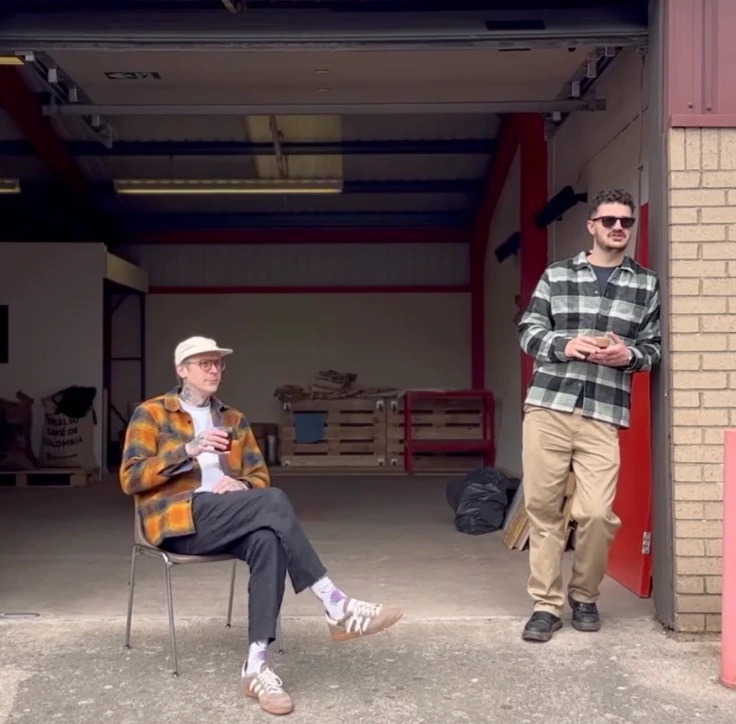
Mark Edwards and Graham Cameron of KIS Coffee Roasters.
|
|
There's something refreshing about a coffee company that doesn't take itself too seriously, even when its founders take their coffee very seriously.
Meet KIS Coffee Roasters, an independent Dundee business started by two friends with a shared love of coffee, design and a few tattoos along the way.
Meet Mark and Graham.
Mark Edwards and Graham Cameron met through Dundee's coffee scene in 2018, when Mark was working in coffee and Graham was a customer. Their conversations became a friendship and eventually a business.
The two brought different things to the table. Mark knew the craft of roasting inside out; Graham had spent years building creative businesses. Between them, they had the experience to make great coffee and the personality to make it feel welcoming.
With around a decade of experience in the industry (including five years roasting for Unorthodox Roasters), Mark brings the expertise behind KIS's coffee production.
Graham is a tattoo artist, studio owner and co-founder of Dundee coffee shop Höfn. He brings a passion for design, branding and doing things a little differently.
In May 2025, the pair launched KIS Coffee Roasters.
Coffee for everyone. Including your gran.
Their idea is refreshingly simple: make specialty coffee approachable, not just for enthusiasts who debate extraction yields, but for anyone who likes a good cup.
Even your gran, as KIS puts it.
It's a philosophy that feels close to our own. Coffee can be fascinating without becoming intimidating. You can care about where beans come from, how they're roasted and how they taste, and yet still be equally as happy with a simple, properly made morning brew.
Great coffee shouldn't feel like an exclusive club where you need the right terminology to get through the door.
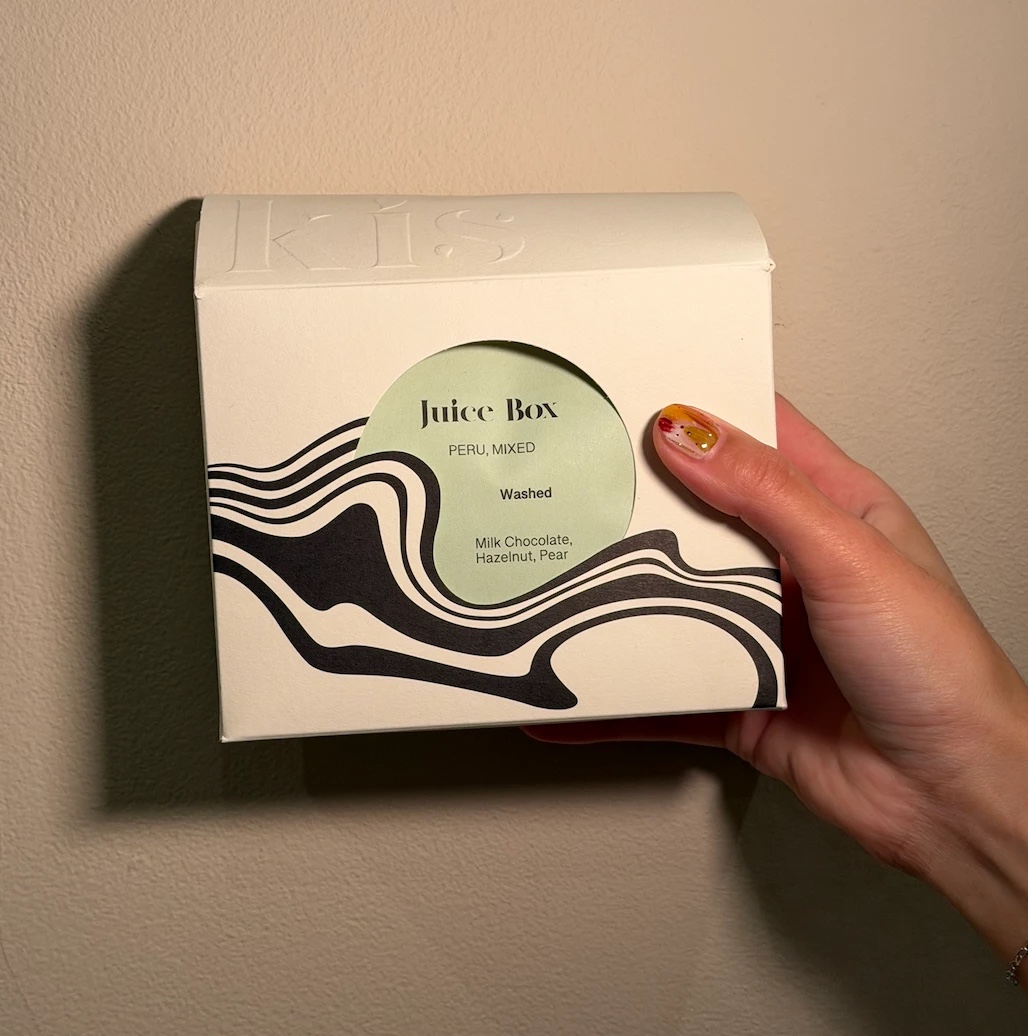
The bright colours, playful packaging and unusual names reflect that same welcoming attitude.
|
|
|
From a tiny roaster to something bigger.
In the early days, Mark started by roasting samples in his conservatory late at night on a tiny machine. Now the pair operate from a commercial roastery in Dundee, supplying cafés and customers.
They've also opened an espresso bar alongside their roasting operation, giving people the chance to enjoy the coffee right where it's made.
It's been quite a journey going from late-night experiments at home (which is our favourite part of their story) to operating a space of their own. It's easy to see the polished bags and forget the small, slightly ridiculous beginnings that often sit behind an independent business. Those early experiments are part of the story, too.
This week's coffee: Juice Box.
This week we're featuring their playfully named Juice Box, a versatile coffee designed for espresso or filter. KIS describes sweetness, balanced acidity and a creamy mouthfeel. The current online listing describes a washed coffee from Peru, grown at around 1,700 metres.
The flavours? Milk chocolate. Hazelnut. Pear.
This isn't a competition to find the most unusual tasting note. The combination sounds familiar and easy to enjoy, but with enough character to make you curious. A good reminder that approachable doesn't have to mean ordinary.
Comforting, with a little fruitiness to keep things interesting. Exactly the kind of coffee that fits the KIS philosophy: thoughtfully made, without requiring a long explanation.
Sometimes great coffee just needs people who care about what they're making. And a little personality doesn't hurt either.
|
The coffee Juice Box |
| Roaster | KIS Coffee Roasters |
| Based in | Dundee, Scotland |
| Origin | Peru, La Cima, San Ignacio |
| Variety | Mixed |
| Process | Washed |
| Altitude | 1,700 metres |
| Tastes like | Milk Chocolate · Hazelnut · Pear |
| Brewing | Espresso and filter |
| Price | £12 at time of writing |
|
|
|
|
Meet KIS Coffee Roasters · Follow KIS on Instagram
|
|
|
04 · Coffee Talk
What's a house coffee, anyway?
You've probably seen ‘house coffee’ or ‘house espresso’ on a café menu. What does it mean?
It's usually the café's everyday go-to: something customers can recognise, enjoy and return to.
It might be a blend designed for a particular flavour, or a single-origin coffee chosen because it works reliably across different drinks.
The aim is balance: enjoyable as an espresso, but just as good in a flat white or latte.
And house coffee doesn't mean boring. Making something that tastes good consistently takes real skill.
While unusual releases grab attention, there's something lovely about having a coffee you know you'll enjoy. Sometimes consistency is exactly what makes a coffee special.
Next time you're at your favourite café, give the house coffee a chance.
It's often the coffee a café has spent the most time getting right, because it has to work for regulars ordering different drinks all day.
|
|
|
From The Coffee Library
Your next favourite coffee might be in here.
Our Coffee Library is growing with recommendations from readers like you: great coffees, different roasters and new favourites to discover.
Here are a couple of coffees worth exploring. One comforting, one lively, in the spirit of this week's tips.
|
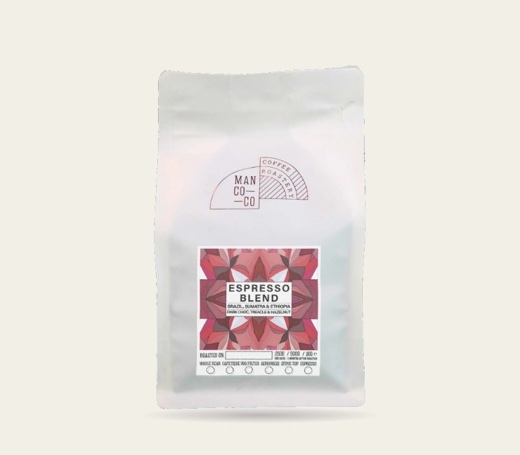 Espresso Blend ManCoCo · Brazil, Sumatra, Ethiopia Notes of rich dark chocolate | 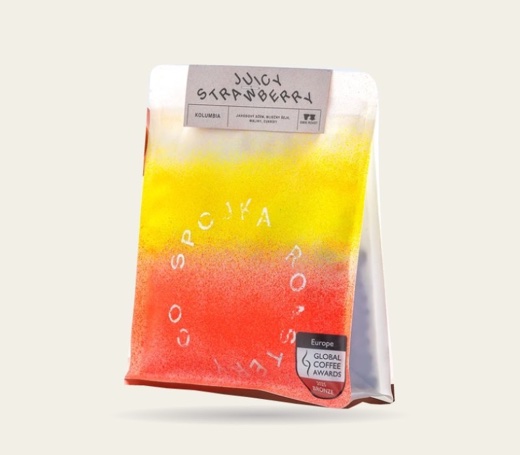 Juicy Strawberry Spojka Roastery · Colombia Notes of strawberry jam, milkshake and raspberries | | |
|
|
|
|
Found something worth sharing? Recommend a coffee
|
|
Good coffee deserves to be shared.
|
|
|
Free print no. 007
Something for the wall
|
|
|
|
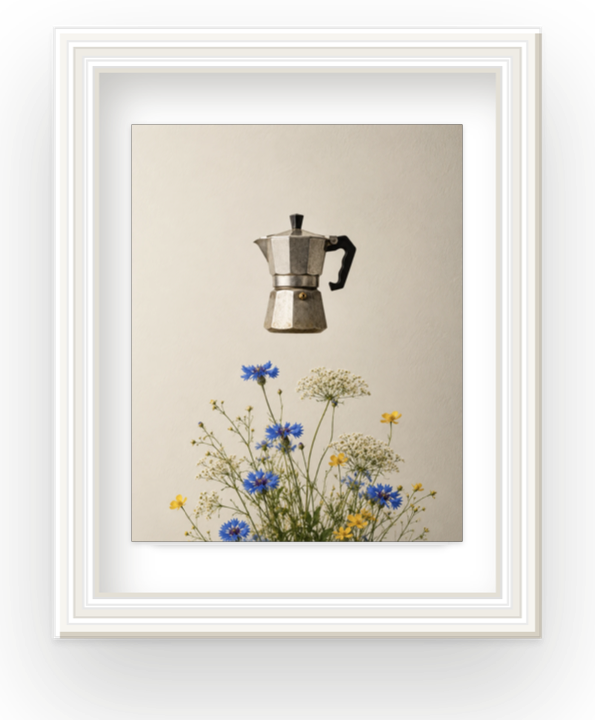
You made it to the bottom, so this one's on us. Another little piece of The Dial for your coffee corner. Print it, frame it or stick it on the fridge. If it makes it onto your wall, tag @thedialcoffee.
|
|
|
|
|
|
P.S. Specialty coffee has traditionally meant a score of 80 or higher, but quality is more than a number. Our preferred test? Would you happily drink another cup?
The Dial
|
| |