|
No. 009 · 7 min read |
|
|
|
Issue No. 009
Same beans. Different coffee.
Some rituals are sacred.
Sometimes, making coffee at home comes with its frustrations.
You spend ages finding the perfect beans, get your recipe just right and finally make a cup that tastes fantastic.
Then the next morning, you do exactly the same thing, and somehow, it tastes completely different.
Sound familiar?
This week, we're exploring why small changes can have a big impact on your coffee, experimenting with an ingredient most of us rarely think about and discovering an Amsterdam roaster responsible for a coffee that tastes suspiciously like cake.
Anyway, coffee ready? Let's get into it.
|
|
|
In this issue
| 01 | The main pour Why does the same coffee taste different every day? |
| 02 | The adjustment Are you actually using the right water? |
| 03 | Worth drinking Dak Coffee Roasters: the coffee that keeps coming back. |
| 04 | Coffee Talk Does your coffee really need syrup? |
| | Plus: from The Coffee Library A couple of coffees worth discovering, and free print no. 009 at the bottom of the email. |
|
|
|
01 · The main pour
Why does the same coffee taste different every day?
Monday morning. Perfect coffee.
Tuesday morning. Same beans, same machine, same recipe. Completely different result.
And you start wondering whether you've somehow forgotten how to make coffee overnight.
But here's the interesting part.
Coffee is surprisingly sensitive to small changes.
Even when you think you're following exactly the same routine, little things can influence what ends up in your cup.
|
|
Four things worth knowing
| 01 | Grind size. The size of your coffee grounds influences how quickly water extracts flavour. Even small differences can change the balance of your coffee, particularly when making espresso. | | 02 | Water temperature. Hotter water generally helps extract coffee compounds more quickly. A change in brewing temperature can affect sweetness, acidity and bitterness. | | 03 | The water itself. Water contains minerals that influence how your coffee extracts and tastes. Depending on where you live, your tap water might be completely different from someone else’s. More on that in a moment. | | 04 | Your beans are changing, too. Remember when we discussed freshness back in Issue 006? As coffee releases carbon dioxide and gradually ages, its behaviour during brewing can change. It’s why an espresso might need a slightly different grind setting a week after opening the bag. |
|
|
|
And sometimes, it’s actually you.
Our sense of taste and smell isn't always consistent either.
What you've eaten, the temperature of your drink or even having a slightly blocked nose can affect how you experience flavour.
A coffee that tastes bright and fruity when it's cooled slightly might seem completely different when it's piping hot.
The point? Coffee isn't a fixed experience.
It's the result of lots of little things coming together. So next time your morning coffee tastes different, don't immediately blame the beans. Pay attention to what's changed.
Sometimes, understanding your coffee is just as useful as knowing how to brew it.
|
|
|
02 · The adjustment
Are you actually using the right water?
You might have fantastic beans, a great grinder and a brewing recipe you've spent weeks perfecting.
But there's one ingredient we often overlook.
Water.
It makes up roughly 98% of your filter coffee, yet most of us give it very little thought.
And depending on where you live, the minerals in your tap water can have a surprising impact on how your coffee tastes. Hard water contains more dissolved minerals, including calcium and magnesium, which can affect extraction and flavour.
But filtered water isn't automatically better.
Here's something to try. Next time you're making a pour-over or espresso, brew two cups using exactly the same recipe.
|
|
Two cups, one recipe
| 01 | Your usual tap water. Make your coffee exactly as you normally would. | | 02 | Filtered water. Repeat the recipe, but this time use water from a standard filter jug. |
Keep your coffee dose, grind size, brewing temperature and water quantity as consistent as possible.
|
|
|
Once both cups have cooled slightly, taste them side by side.
Does one taste sweeter? Is the acidity more noticeable? Does either feel more balanced?
You might be surprised. Or you might discover that your tap water works perfectly well already.
Different filters remove different amounts of minerals, so the results will vary depending on your local water. But it's a simple experiment that could completely change how you think about your morning coffee.
One ingredient. Two cups. A little experiment.
Going down the rabbit hole.
And if you really want to go down the coffee rabbit hole, there's something rather interesting worth knowing about: Lotus Water Drops.
These little bottles of concentrated minerals let you build your own water specifically for brewing coffee.
Yes, really. We've reached the point where people are making recipes for water.
By adding carefully measured minerals to distilled or demineralised water, you can experiment with how the water's composition influences your coffee.
It's certainly not something everyone needs. And we're not suggesting you abandon your perfectly good tap water. But it's a fascinating example of just how much attention goes into making a great cup of coffee.
|
|
|
|
|
03 · Worth drinking
The coffee that keeps coming back.
Dak Coffee Roasters · Amsterdam, Netherlands
|
|
|
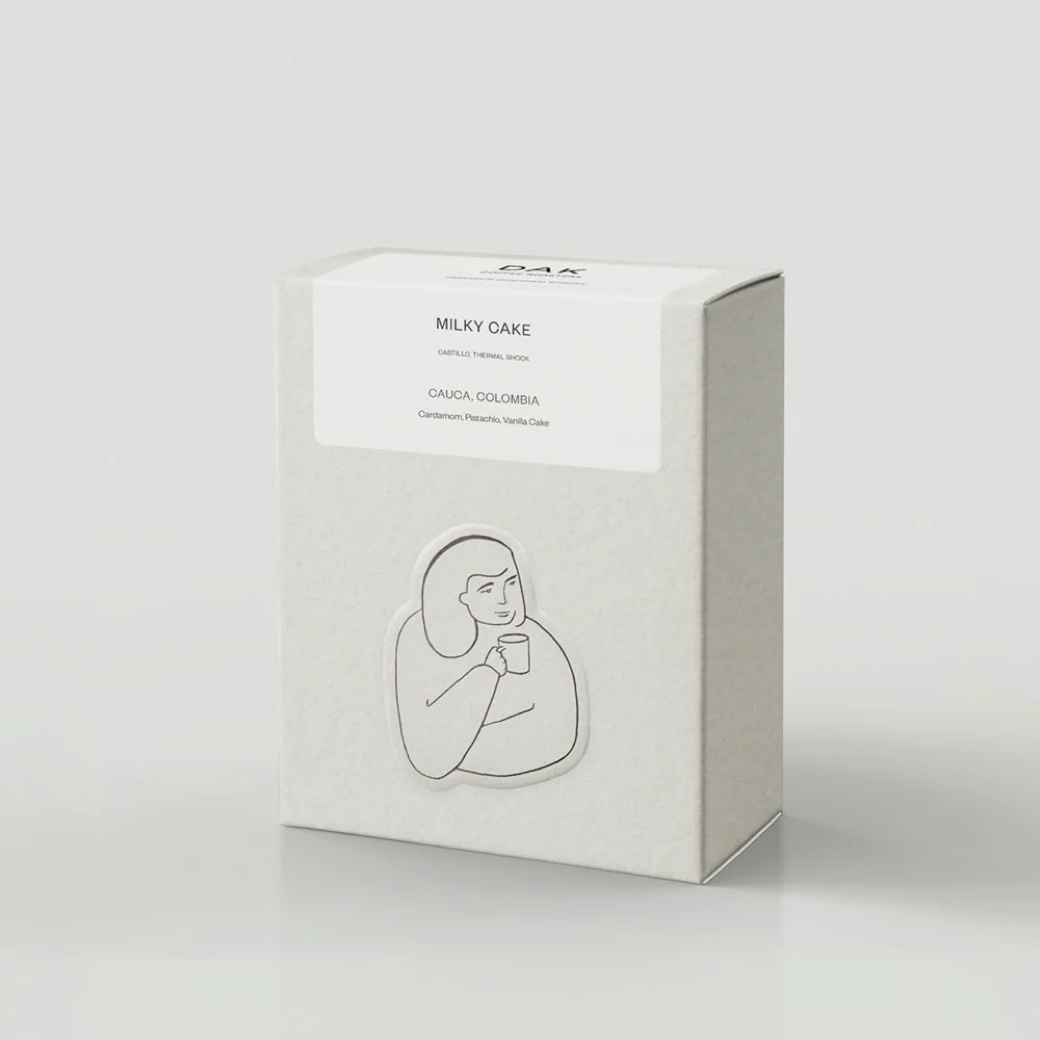
Milky Cake.
Sounds more like something you'd find in a bakery than a coffee roastery, doesn't it?
But this week's featured coffee from Amsterdam-based Dak Coffee Roasters has developed something of a following. And after trying it, we can understand why.
Meet Dak.
Founded in Amsterdam in 2019 by two Canadians from Montreal, Véronique Lagarde and Louis-Philippe Boucher, Dak has become known for its playful approach to specialty coffee.
The founders developed their love of espresso culture while living in Italy, before eventually turning their curiosity into a coffee roasting business.
Today, Dak produces an ever-changing selection of distinctive coffees, with playful names, colourful packaging and a particular interest in unusual flavour profiles.
But behind the fun branding is a serious commitment to sourcing and roasting great coffee.
And perhaps no coffee demonstrates that better than Milky Cake.
A coffee that refuses to disappear.
Specialty coffee is often about discovering something new. A limited harvest arrives, everyone gets excited, it sells out and eventually something else takes its place.
Milky Cake is a little different.
It's been part of Dak's lineup since 2021. And over that time, it's become one of their bestsellers.
Originally developed through a collaboration with Cata Export and Diego Samuel Bermudez at Finca El Paraíso in Colombia, the coffee has become something of a signature for the roaster.
Rather than constantly replacing it, Dak has continued working with its processing partners to maintain the distinctive flavour people recognise. And that's quite an achievement when you consider that coffee naturally changes between harvests.
|
|
|
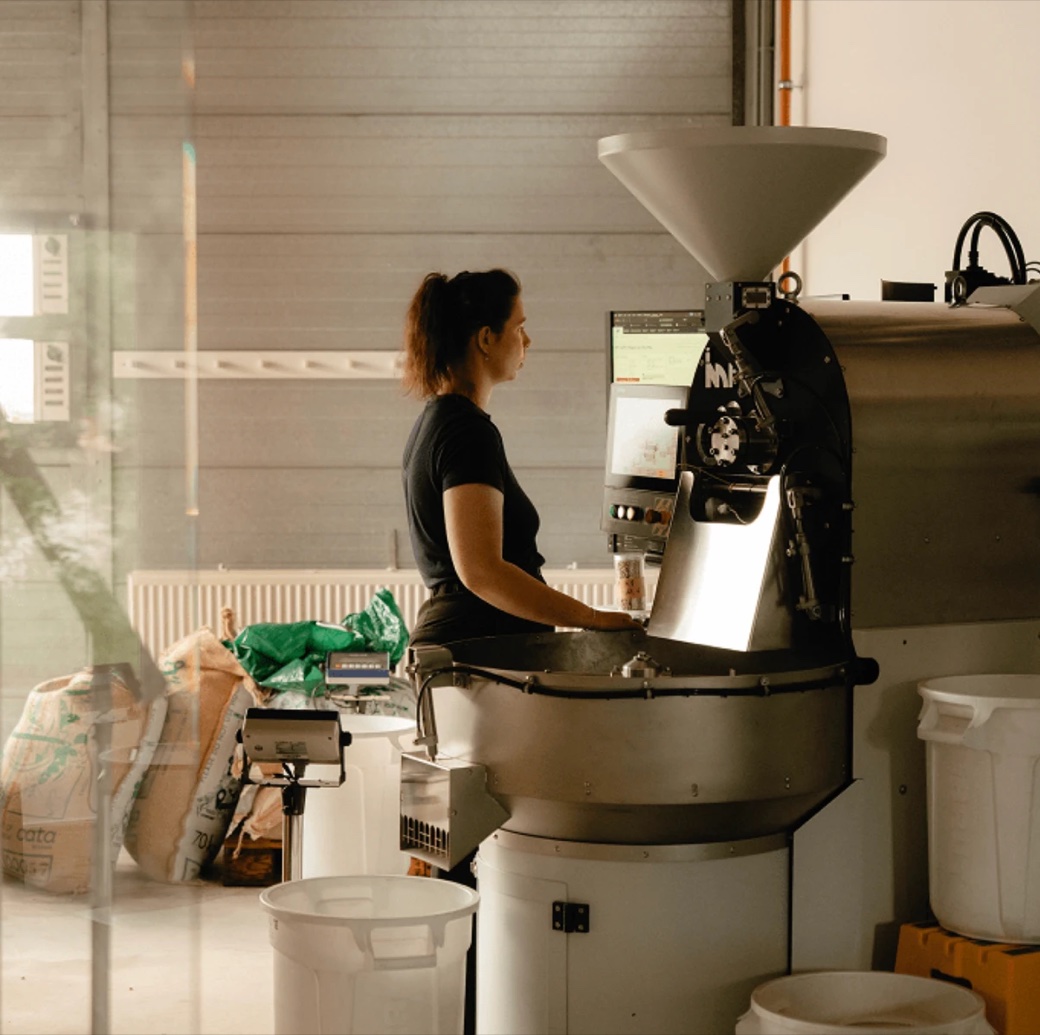
Inside the Dak roastery.
|
|
So, what makes it different?
Milky Cake is produced using Castillo coffee grown in Colombia's Cauca region.
It undergoes a carefully controlled fermentation process, with producers managing temperature, microorganisms and drying conditions to develop its distinctive character.
There's plenty of science behind it, but we'll spare you the chemistry lesson this week. The important part is what ends up in the cup.
And Dak's tasting notes?
Cardamom. Pistachio. Vanilla cake.
A combination that sounds more like a dessert menu than a coffee bag. But does it actually taste like cake?
Our thoughts.
Well, we can confirm there's definitely something cake-like going on here. But perhaps not in the way you'd expect.
It's not overpoweringly sweet, and it certainly doesn't taste like someone's poured vanilla syrup into the cup.
Instead, there's a lovely, subtle sweetness.
Almost like a gentle dessert flavour sitting in the background. And that's what we enjoyed most about it. Nothing felt forced or excessive. Just a beautifully balanced coffee with a soft, sweet character that made it incredibly enjoyable to drink.
If you're someone who normally adds flavoured syrup, we'd actually suggest trying this one without it first. Those delicate cake-like notes are part of what makes it special, and a strong syrup could easily overpower them.
It's easy to understand why Milky Cake keeps selling so well.
Some coffees impress you with how unusual they are. Others are simply the ones you want to drink again. And this one manages to do a little of both.
|
The coffee Milky Cake |
| Roaster | Dak Coffee Roasters |
| Based in | Amsterdam, Netherlands |
| Origin | Cauca, Colombia |
| Farm | Finca El Paraíso |
| Variety | Castillo |
| Process | Advanced fermentation |
| Altitude | 1,920 metres |
| Tastes like | Cardamom · Pistachio · Vanilla Cake |
| Brewing | Filter, espresso and with milk |
|
|
|
|
Meet Dak Coffee Roasters
|
|
|
04 · Coffee Talk
Does your coffee really need syrup?
Vanilla. Caramel. Hazelnut. Pumpkin spice.
Walk into almost any high-street coffee shop and you'll probably find a collection of syrups waiting behind the counter.
And there's nothing wrong with that. If you love a caramel latte, enjoy it.
But here's something worth thinking about.
Have you ever tried your favourite coffee without one?
Different coffees naturally have different characteristics, from sweetness and richness to acidity and texture. And sometimes, adding a strong flavour can cover them up.
It's a little like adding sauce to a meal before you've tasted it. You might love the sauce, but you might also miss something interesting underneath.
So here's a simple suggestion. Next time you're trying a new coffee, have a few sips before adding anything sweet.
You might still prefer it with syrup. Or you might discover that the coffee has plenty of character on its own.
There's no right way to enjoy coffee, but it's worth knowing what you're adding to.
|
|
|
From The Coffee Library
Your next favourite coffee might be in here.
Our Coffee Library is growing with recommendations from readers like you: great coffees, different roasters and new favourites to discover.
Here are a couple of coffees worth exploring. One with a cardamom bun of its own, and one full of pineapple and berries.
|
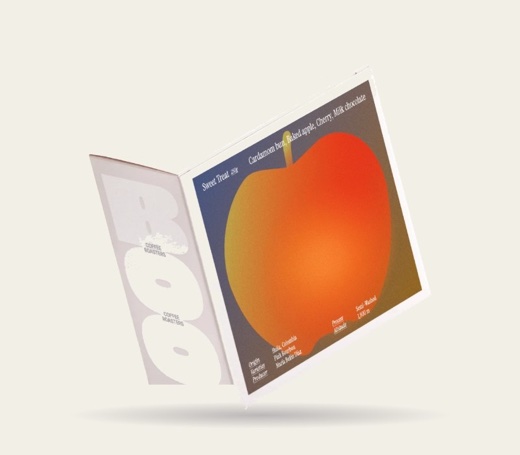 Sweet Treat Boo Coffee Roasters · Colombia Notes of cardamom bun, baked apple, cherry and milk chocolate | 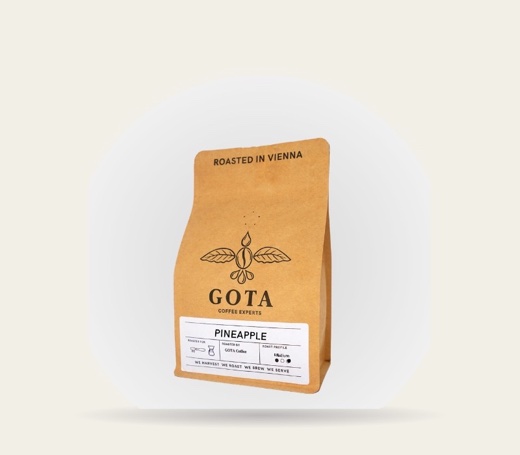 Pineapple GOTA Coffee Experts · El Salvador Notes of cocoa, berries and pineapple | | |
|
|
|
|
Found something worth sharing? Recommend a coffee
|
|
Good coffee deserves to be shared.
|
|
|
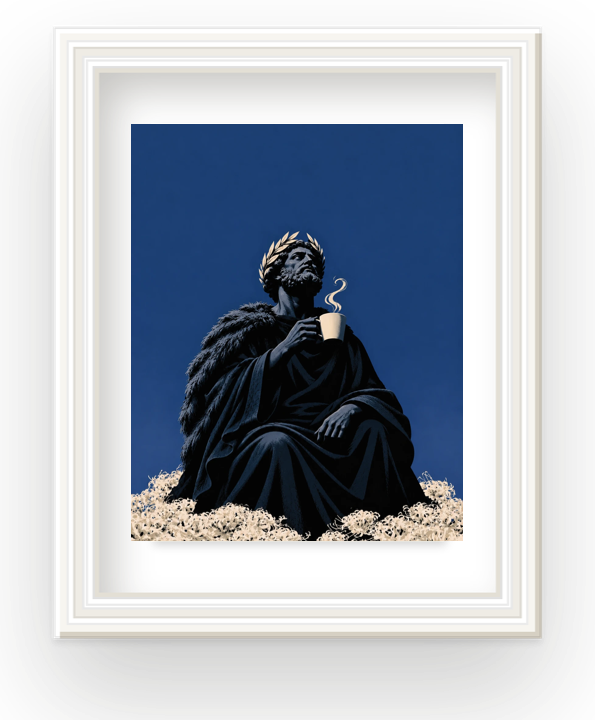
Free print no. 009
Something for the wall
|
|
|
|
You made it to the bottom, so this one's on us. Another little piece of The Dial for your coffee corner. Print it, frame it or stick it on the fridge. If it makes it onto your wall, tag @thedialcoffee.
|
|
|
|
|
|
P.S. Two people can use exactly the same beans and brewing recipe but get different results depending on the water coming out of their taps. Yet another reason your coffee sometimes seems to have a mind of its own.
The Dial
|
| |